Build custom, structured Excel reports from monday.com board data and send them automatically to the right people on schedule.




Getting started with the Client Portal Builder for monday.com
Want to build a Client Portal on top of your monday.com boards? This guide covers everything you need to know about how getting started building your Client Portal directly on monday.com

Table of contents
Use the navigation below to quickly jump to your desired section and learn more about each topic.
Client Portal Builder for monday.com helps you turn the work you already manage in monday.com into a secure, branded client portal. But before you start adding pages, sections, board items, files, comments, forms, and login methods, it is worth planning what your first portal should actually do. A good first client portal does not need to include every possible feature. It should give clients a clear place to find the information they ask for most often, while keeping your internal monday.com workspace protected.
In this guide, we will walk through how to plan your first monday.com client portal, what to include in the first version, which setup decisions matter most, and where to go when you are ready for the detailed configuration steps.

What should your first monday.com client portal include?
Your first client portal should be simple, useful, and easy to test. The goal is not to recreate your entire monday.com workspace for clients. The goal is to give each client a clean external experience that shows the information they need and hides everything they should not see. A useful first portal often includes:
- A welcome page with an explanation of what the client can do in the portal.
- A project, service, request, or work overview.
- A section that shows selected monday.com board items.
- A place for files, documents, reports, or deliverables.
- A clear next step for the client.
For a deeper look at turning your existing board structure into a client facing experience, see how to use monday.com boards in a client portal. If the goal is to let clients handle more routine interactions themselves, see how to build a self-service client portal with monday.com.
Did you know?
This is different from inviting a client directly into monday.com. With a client portal, clients access a separate interface that is connected to your monday.com data, while your team continues managing the work internally.
1. Client experience
Start with the client experience, not the app settings
Before opening the builder, think about the portal from the client’s point of view and ask yourself:
- What does the client need to check most often?
- What questions does the client currently ask by email?
- Which project or service information should be visible?
- Which internal notes, statuses, costs, or columns should stay hidden?
- Should the portal be read only at first?
- Should clients be able to comment, upload files, or edit selected fields?
- Should every client see the same pages, or should pages depend on the client type or status?
Did you know?
This planning step helps prevent a common mistake: building the portal around your internal monday.com workflow instead of the client’s actual needs. Your internal board may be designed for managing work. The portal should be designed for clients who need clarity, progress, documents, and next steps.
2. Portal structure
Choose your first portal structure
A simple portal structure is usually better than a large portal on day one. You can always add more pages later. Start with the sections that create immediate value for clients.
Home
Use the home page to welcome the client and explain what they can find in the portal. You can also personalize this page with client specific information from your Clients Board. For technical setup details, see the docs on placeholders in Client Portal Builder. A good home page might include:
- A short welcome message and a quick project summary
- Important next steps and links to the most relevant pages
- Contact person or support information
Files or Deliverables
Clients often use a portal to find files they would otherwise request by email. Keep this page focused, since if clients need to search through too many files, the portal becomes less useful. This page can include:
- Reports and documents
- Assets and deliverables
- Client specific resources
Requests or Support
If clients regularly send requests, changes, questions, or support tickets, give them a clear place to do that. This could be a request page, a support page, or an embedded form. Learn more how you can embed monday.com WorkForms into the Client Portal Builder.
3. Clients Board
Understand the Clients Board before building the portal
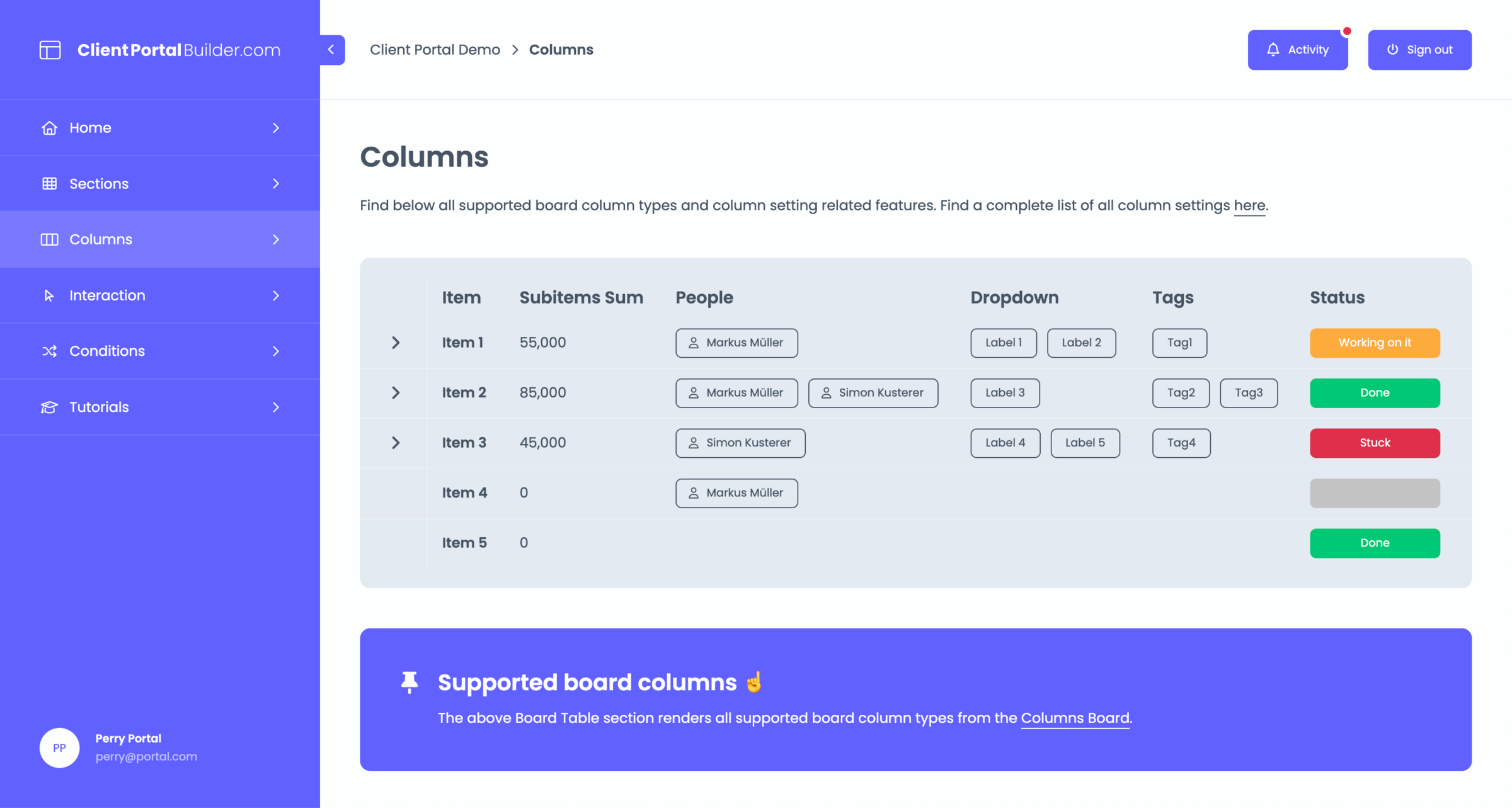
The Clients Board is the foundation of your portal. Each item on this board represents one client. Client Portal Builder uses this board to understand who the client is, what data belongs to that client, and what information should be shown in the portal. A simple Clients Board might include columns such as:
- Client name
→ Item name - Client status or type
- Account manager
- Plan or service level
- Onboarding status
- Internal notes
For a deeper look at using the Clients Board to personalize items, pages and content, see how to create personalized views in a monday.com client portal.
Did you know?
The most important rule is that each client should have one unique item on the Clients Board. If you create duplicate client items, portal visibility and client specific setup will simply not work. For the exact setup requirements, use the docs on the Clients Board in Client Portal Builder.
4. Required app views
Add the required views when you are ready to configure
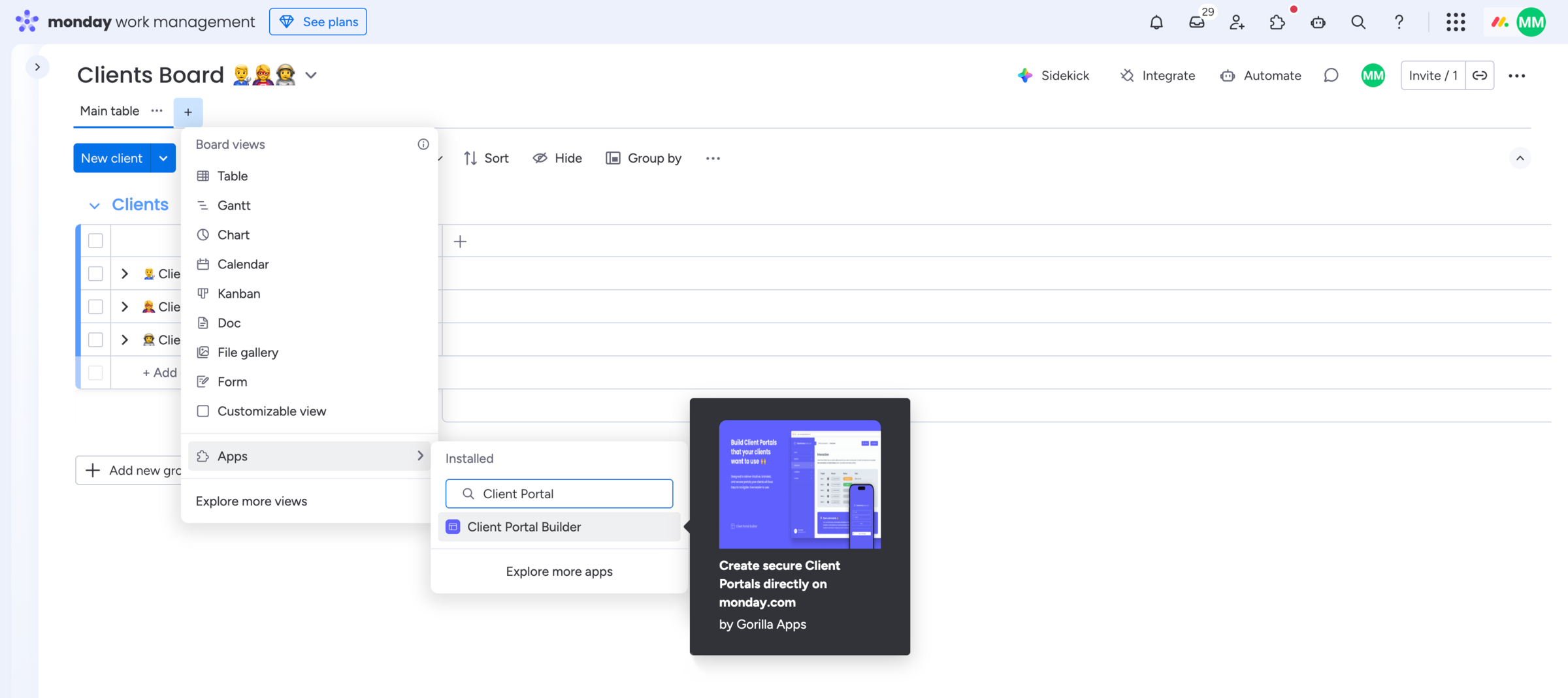
Once your Clients Board is ready, the technical setup happens inside the required Client Portal Builder views. The two most important views are:
- Client Portal Builder board view, which is used to build pages and configure content.
- Client Settings item view, which is used to manage login methods and portal access.
This article focuses on planning the first portal. For the exact setup steps, use the official docs on Client Portal Builder app views and the general getting started documentation.
5. Connecting boards
Decide how client specific data should be displayed
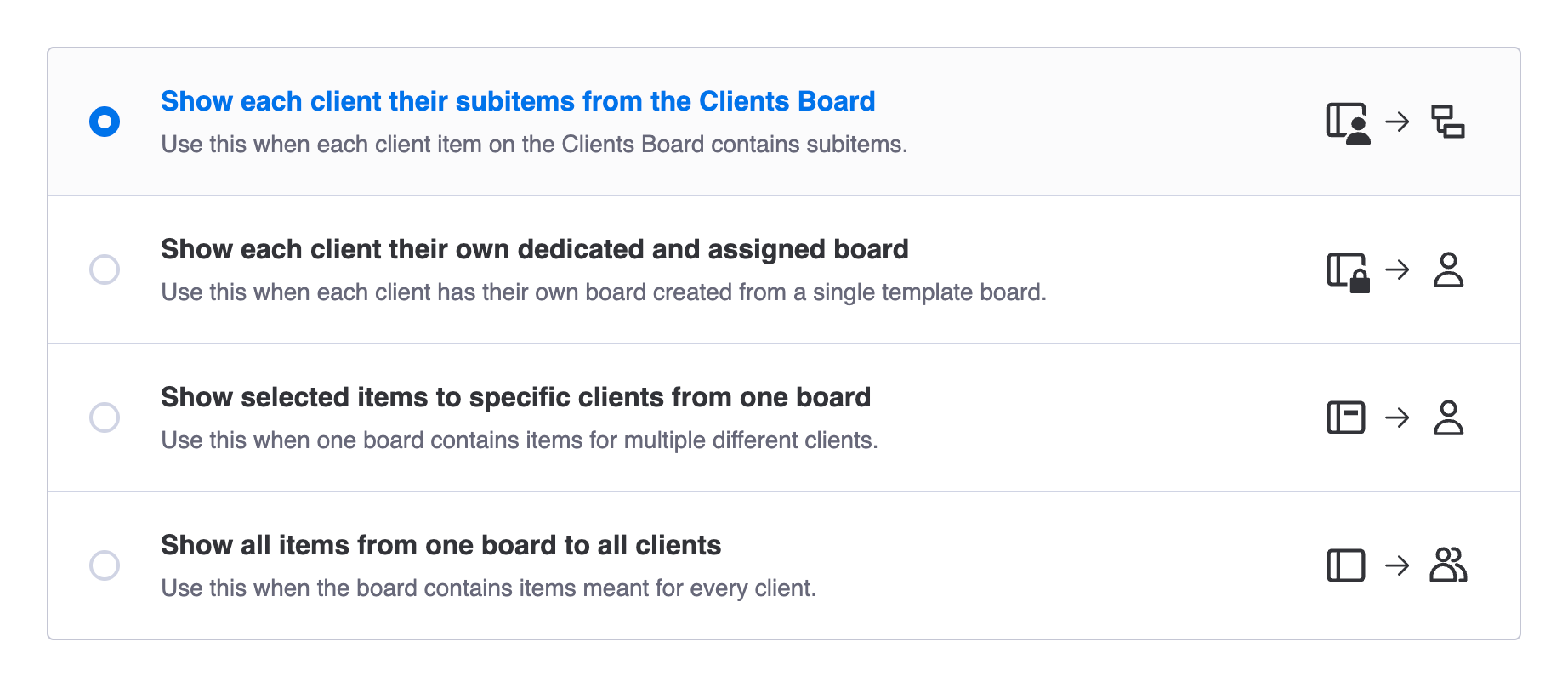
One of the most important setup decisions is how each client should be connected to monday.com board data. There is no single correct structure. The best option depends on how your monday.com workspace is organized. The detailed configuration happens through board sources and content sections. For implementation details, please read the documentation on embedding boards, connecting boards, and board sources.
6. Feature usage
Decide which features should wait until later
Client Portal Builder includes many features, but not every feature needs to be part of the first launch. Start with the features that solve the client’s main problem, and add advanced interaction later.
Start with these features first
- Basic portal pages
- Selected board data
- Files or deliverables
- Portal branding
- Client login access
- Preview and testing
Add these later when needed
- Client comments
- Custom domain
- Item editing
- Action buttons
- WorkForm embeds
- Conditional visibility
This keeps the first setup manageable and reduces the risk of exposing the wrong data or confusing clients.
7. Portal branding
Apply branding before inviting clients
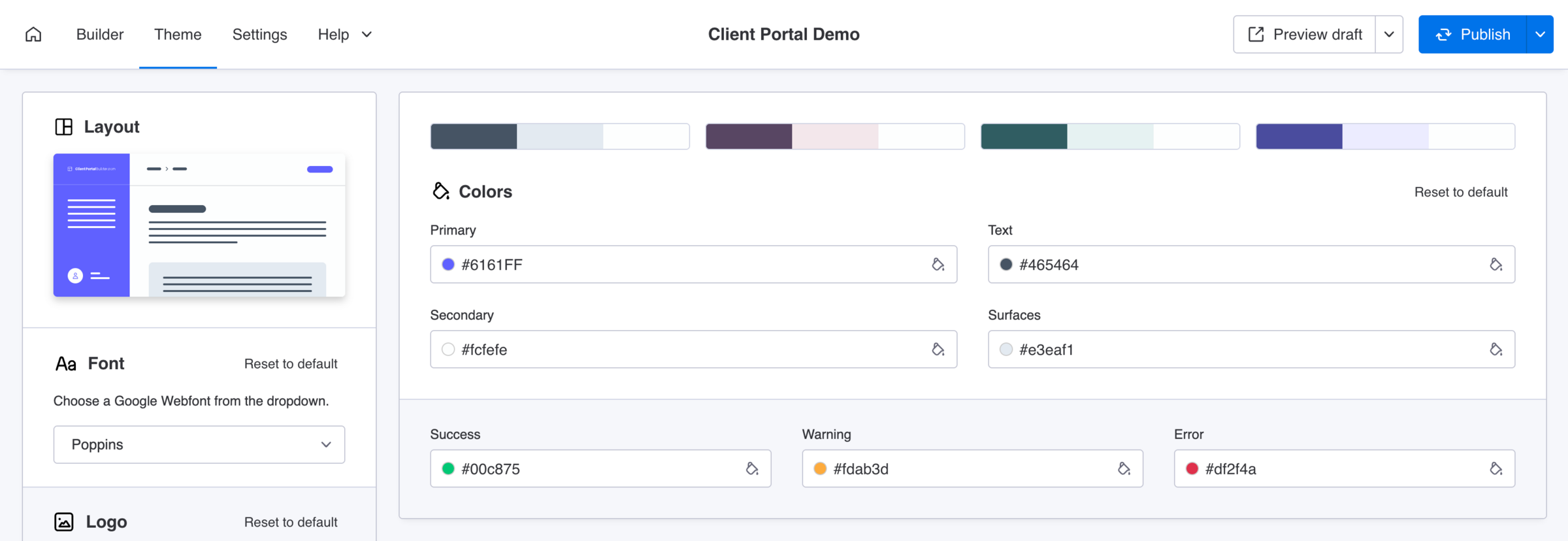
A portal is client facing, so it should feel like part of your service. Before inviting clients, review the portal branding:
- Portal name
- Portal logo
- Portal typography
- Company colors
- Custom domain
Advanced
If branding is important to your client experience, please read the official documentation about how to adjust the portal theme settings and how to connect your domain.
8. Client access
Setting up client access
Client access should be tested before you invite real clients. Client Portal Builder uses separate portal login methods, which means clients do not need to become monday.com users just to access the portal. Before launch, decide:
- Who from the client organization should have access?
- Should each person have their own login?
- Which client item should each login method belong to?
- Should access be limited to one test client first?
- What should happen when a client is no longer active?
Read the documentation to learn more about how setting up login methods works. For the first launch, create a test login and confirm that the client sees the correct data before creating access for real clients. Once your setup is established, portal access and onboarding steps can also be automated through monday.com workflows.

9. Testing
Test the client experience before launch
Testing is the most important step before inviting clients. Do not only check the portal as an internal monday.com user, but test it from the client’s perspective. Use this checklist:
- The client can log in successfully
- The client sees the correct portal pages
- The client does not see other clients’ data
- Board sections show the right items
- Unnecessary columns are hidden
- Files and attachments open correctly
- Comments work only where intended
- Item editing works only where intended
- Forms or request sections work correctly
- Draft pages are not visible
- The portal language is clear for clients
- The client knows what to do next
Testing with one internal test client first is usually safer than inviting several real clients immediately.
10. Soft launch
Invite your first client
Once the portal has been tested, invite one real client first. Do not launch to every client at once unless the setup is already proven, a good first invitation should include:
- The link to the portal
- A short explanation of what the portal is for
- Login instructions along with their credentials
- What the client can find inside the portal
- Who to contact if they have trouble
After the first client has used the portal, review their feedback before rolling it out more widely. Look for questions like:
- Did they understand where to click?
- Did they find the right information?
- Did they ask for something that should be added to the portal?
- Did they see too much or too little information?
- Did the portal reduce email or manual updates?
Use this feedback to improve the portal before inviting more clients.
Common mistakes
Common mistakes when building your first client portal
A first portal does not need to be perfect, but some mistakes are worth avoiding.
-
Your monday.com board is built for your team. Your portal should be built for your clients. Use client friendly page names, short explanations, and only the data clients need.
-
Adding too many pages at the start
A large portal can be harder to test and harder for clients to understand. Start with the most useful pages and add more later.
-
Showing too many columns
Internal columns can make the portal feel confusing. Hide columns that do not help the client understand progress, deliverables, requests, or next steps.
-
Forgetting to test as a client
Internal previews are useful, but they are not a replacement for checking the portal from the client’s point of view. Always test with a client specific view or test login.
-
Creating duplicate client items
Each client should have one clear item on the Clients Board. Duplicate items can make visibility, access, and board source logic unusable.
-
Enabling comments or editing too early
Client interaction is powerful, but it should be added intentionally. Start read only if you are unsure, then enable comments, file uploads, item editing, or action buttons where they make sense.
-
Treating the portal like a board embed
A client portal should not simply expose a monday.com board. It should organize information into pages, sections, and client specific views that are easier for external users to understand.
-
Inviting clients before branding is ready
A portal is part of your client experience. Apply basic branding, review the portal copy, and test the login flow before launch.
Questions & Answers
Frequently asked questions about getting started with Client Portal Builder
-
What is the Clients Board?
The Clients Board is the monday.com board that Client Portal Builder uses as the foundation of the portal. Each item represents one client. The app uses this board to identify clients, connect the right data, and control what each client can see.
-
Do clients need a monday.com account?
No. Clients access the portal through separate portal login methods. They do not need to be added as monday.com users just to view the portal.
-
Should I create one portal per client?
Usually, no. In many setups, you create one portal structure and use client specific visibility so each client sees the information intended for them. The best setup depends on how your monday.com workspace and client data are organized.
-
Can each client see different board items?
Yes. Client Portal Builder is designed to show client specific information from monday.com boards. The exact setup depends on how you connect your boards and configure board sources.
-
Can I show data from multiple monday.com boards?
Yes. A portal can include information from different monday.com boards when the setup is configured correctly. This is useful when client information is spread across projects, requests, files, services, or support boards.
-
Can clients comment in the portal?
Yes, if comments are enabled in the relevant portal setup. Comments are useful when you want client communication to happen around specific items or projects.
-
Can clients edit monday.com items through the portal?
Yes, when item editing is enabled and configured for the columns clients should be allowed to change. For a first portal, it is often safer to start read only and enable editing later.
-
Can I use my own branding?
Yes. You can configure branding so the portal feels more like part of your own service. This can include elements such as logo, colors, fonts, and domain setup.
-
Can I connect a custom domain?
Yes. If you want the portal to use your own domain or subdomain, use the custom domain setup guide.
-
What should I test before inviting clients?
Test login access, page visibility, client specific data, hidden columns, files, comments, editing, forms, mobile layout, branding, and draft pages. Most importantly, confirm that each client only sees their own information.
Conclusion
Build your first monday.com client portal
Client Portal Builder helps you turn monday.com boards into secure, branded client portals without giving clients access to your internal workspace. The best way to get started is to keep the first version simple. Create a clear Clients Board, plan a small portal structure, decide what each client should see, connect only the most important board data, apply basic branding, test the client experience, and invite one client first. Once the first portal works, you can add more pages, comments, item editing, forms, custom domains, and advanced client specific workflows.
Discover our tutorials, guides and
new updates for monday.com
- All
- Client Portal Builder
- Board to Website Widget
- Spreadsheet Gorilla
- Exported Excel Cleaner
How to create a self-service client portal with monday.com

Give clients one secure and dedicated place to find information, submit requests and manage their part of the workflow while your team keeps working in monday.com.
How to use monday.com boards in a client portal
Turn existing monday.com boards into client friendly portal pages and sections while keeping projects, requests, documents and other workflows organized for your internal team.
How to automate client portal workflows in monday.com
Connect client portal access to your monday.com workflow so client accounts, invitations and next steps can happen automatically as clients move through your process.
How to create personalized views in a monday.com client portal
Configure, publish and maintain one client portal for all clients while showing each stakeholder or external user only the monday.com items, pages and information relevant to them.
The best monday.com Marketplace apps for extending your workflows

Compare useful monday.com Marketplace apps by the workflows they extend, from advanced forms and document generation to multi-board sync, time tracking, backups and more.
How to manage client communication in a monday.com client portal

Keep client conversations connected to the right projects and monday.com items while giving clients one place for messages, feedback and files in a dedicated client portal.
The 6 best ways to build a client portal with monday.com

Compare six ways to build a client portal with monday.com and see how each approach handles client access, data separation, setup and ongoing maintenance.
How to create a weekly project status report from monday.com in Excel
Learn what a weekly project status report should include and how to turn monday.com data into a structured Excel workbook for recurring stakeholder reporting.
How to manage client approvals in a monday.com client portal
Give clients a dedicated and focused place to review and approve work while feedback, approval statuses and next steps stay connected to your internal monday.com workflow.
How to publish Confluence blog posts publicly

Are you looking for a way to publish Confluence blog posts for external readers? In this post, we’ll explore how to turn Confluence content into a public blog with Scroll Sites and blog themes.
How to let clients update monday.com items through a client portal
Let clients update selected and existing monday.com items directly from their client portal while your team keeps the underlying records and workflows in monday.com.
How to build a client portal with monday.com in less than 5 minutes
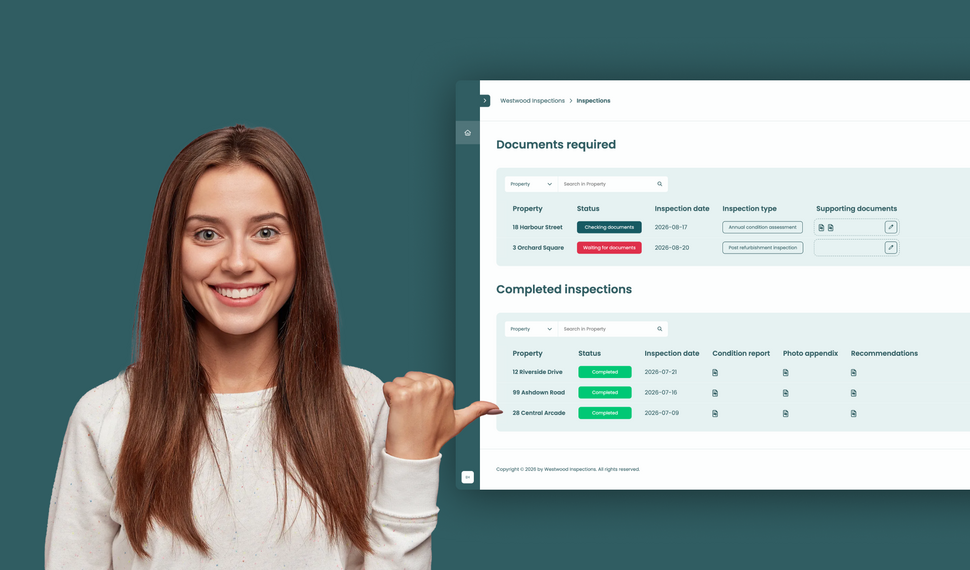
Learn how to build a simple file exchange client portal connected to monday.com, where clients can upload required documents, track inspection progress, and access completed reports.
How to collect client requests with forms in a monday.com client portal
Let clients or external stakeholders submit structured requests through forms in their monday.com client portal while your team manages every submission directly in your monday.com workspace.
How to build a client portal with monday.com for your agency
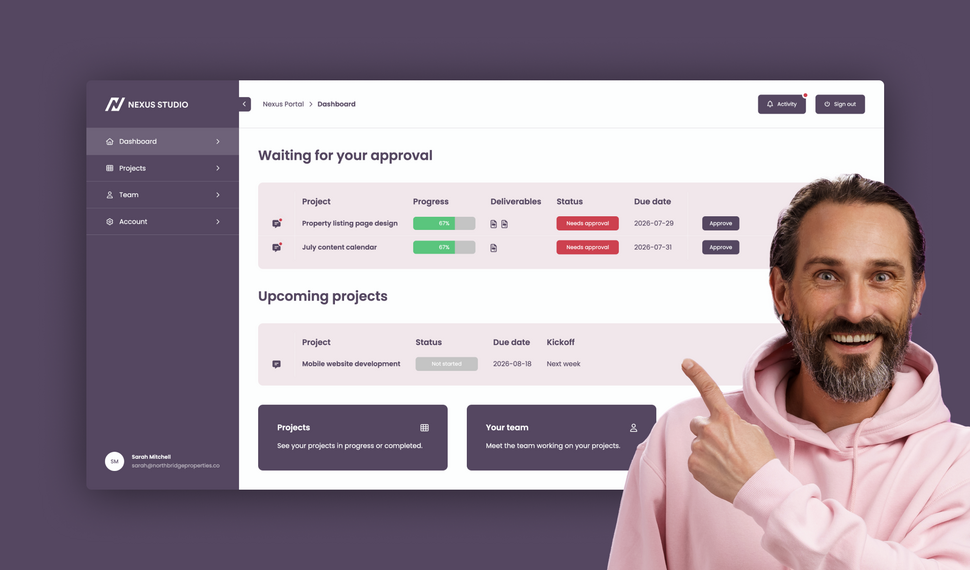
Learn how to build a branded agency client portal connected to monday.com, where clients can track projects, approve deliverables, contact their team, and access account information and contracts.
What changed in Client Portal Builder in the first half of 2026

The first half of 2026 brought 51 new features, 36 improvements, and 15 bug fixes to Client Portal Builder. Discover how these updates made building client portals with monday.com even better.
How to plan and create automated Excel reports with monday.com

Learn how to automate monday.com reporting and export board data to Excel using reusable spreadsheet templates, formulas, and automation workflows with Spreadsheet Gorilla for monday.com
Let clients search and filter board items inside your Client Portal

Clients can now search for items and selected column values directly inside your monday.com Client Portal, making large tables and grids easier to navigate and faster to use.
File preview directly inside your monday.com Client Portal
Clients no longer need to download files to review them. With the new file preview feature, images, videos, and PDFs can now be viewed directly inside monday.com Client Portals.
Client Inbox for global messaging in monday.com Client Portals

Item comments remain essential for contextual collaboration. The new Global Client Inbox adds a dedicated private messaging space between clients and monday.com teams.
Introducing our new documentation hub across all apps
We’ve launched a new documentation for all our apps. It’s clearer, more structured, and designed to help you get answers faster, whether you’re just getting started or configuring advanced setups.
Expanded support for item editing in monday.com Client Portals
Allowing clients to update information directly inside the portal makes collaboration faster and more efficient. This update expands item editing capabilities in monday.com Client Portals.
What’s new on monday.com? Feature update in January 2026
Here’s what’s new on monday.com in January 2026. This month’s updates introduce faster navigation with Recents, easier content creation from Sidekick, and new enterprise board roles.
Reworked setup flow for connecting boards in monday.com Client Portals
Connecting monday.com boards to your client portal is one of the most critical steps in building a useful, dynamic workspace. We made this process clearer, more flexible, and easier to manage.
Semiannual feature recap from Gorilla Apps in December 2025

Client Portal Builder introduced a redesigned dashboard with activity charts and improved onboarding. Spreadsheet Gorilla added a board diagnosis tool and more flexible exports.
What’s new on monday.com? Feature update in December 2025
Here’s what’s new on monday.com in December 2025. This month’s updates introduce a more visual way to create items, improved notification control, and more flexible CRM sequencing.
How to share your monday.com boards with external users and guests
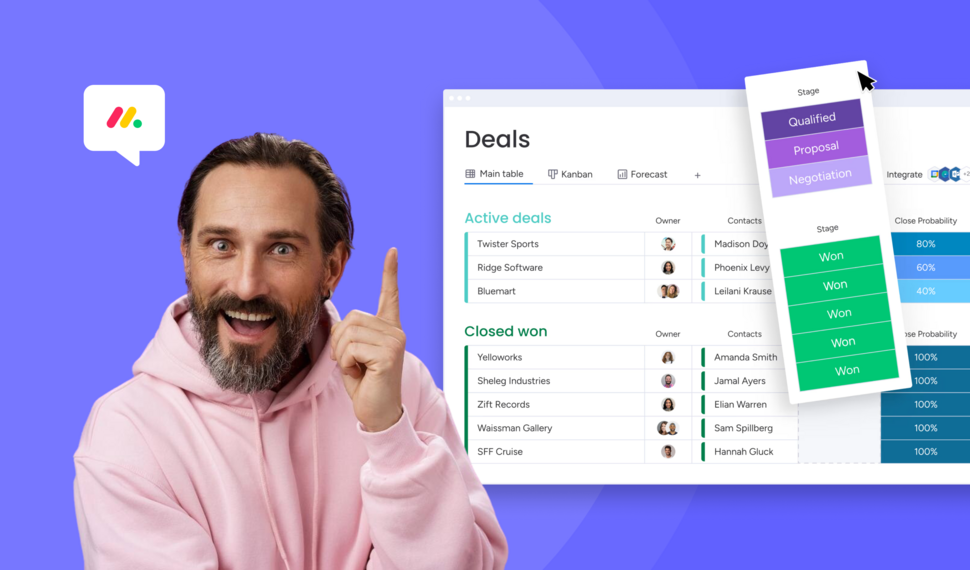
Sharing monday.com boards with external users and guests is easy. In this post, we’ll cover the built-in options, their pros and cons, and why a monday.com client portal is often the best solution.
Turn Confluence into a Blog with dedicated Blog Themes for Scroll Sites

Are you looking for a way to turn your Confluence space into a blog? In this post, we'll explore how to create and publish knowledge, product and classic blogs right from Confluence with Scroll Sites.
What’s new on monday.com? Feature update in October 2025
Here’s what’s new on monday.com in October 2025. This month’s updates center on smarter forms, recovery options, deeper search, and new sprint workflow triggers. Learn more about each new feature.
Set up and use Google Auth in Client Portal Builder for monday.com

Want to allow your clients to sign in to your client portal with Google Authentication? This guide covers everything you need to know about how to set up and use Google Auth with your client portal.
Embed monday.com boards into Squarespace, Wix, WordPress or Webflow
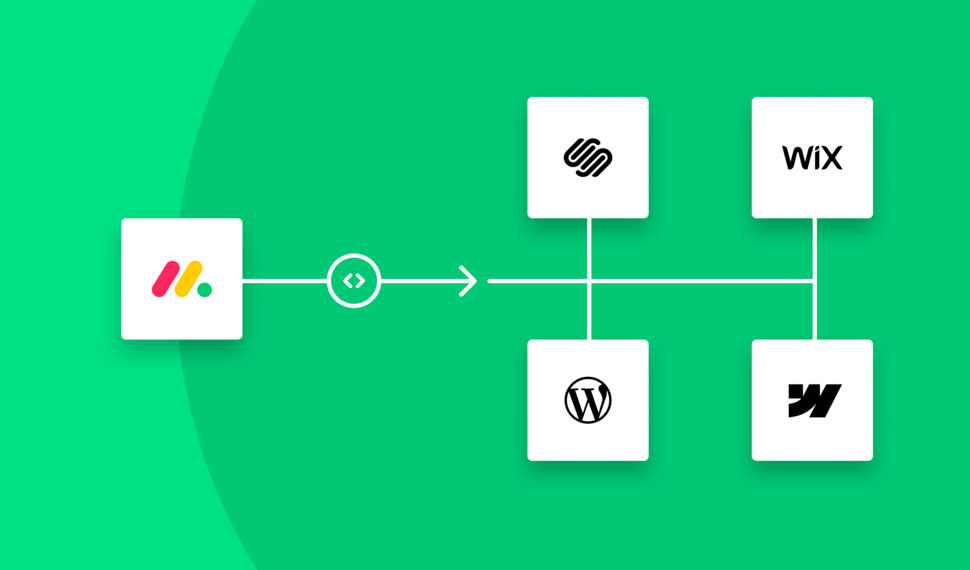
In this guide, you learn how to seamlessly embed monday.com boards as fully branded and synced website widgets into your website made with Squarespace, Wix, WordPress or Webflow.
What’s new on monday.com? Feature update in September 2025
If you're using monday.com, you’ll want to know about the recent enhancements rolling out this fall. From smarter AI suggestions to new service capabilities, here’s what’s new in September 2025.
Create workflows to automate everything in your client portal

Want to automate everything in your monday.com client portal? This guide covers everything you need to know about how to create automation workflows with the Client Portal Builder.
Does monday.com have a Client Portal for external users?

Yes, monday.com has a Customer Portal for monday service. For broader external client access to projects, files, and board data, Client Portal Builder may be the better fit. Learn more about the options.
What’s new on monday.com? Feature update in August 2025
Here’s what monday.com introduced in August 2025. These updates focus on smoother navigation, deeper AI integration, and smarter CRM task sequencing. Read the breakdown of what’s new.
Let your clients edit specific board items right in their client portal
Want to let your clients easily edit specific board items in their client portal? This guide covers everything you need to know about how to enable and make item editing a breeze for your clients.
What’s new on monday.com? Feature update in July 2025
Here’s what monday.com introduced in July 2025. This month’s enhancements center on AI evolution, platform consistency, and deeper integrations. Below is a breakdown of all new updates.
Semiannual feature recap from Gorilla Apps in June 2025

Client Portal Builder added conditional pages and sections, item commenting with automations, new Google login options, and a refreshed UI with draft management and performance boosts.
Client Portal Builder vs Softr for monday.com: Which fits your workflow?

Both Client Portal Builder and Softr can build client portals on top of monday.com. We compare how they differ in setup, flexibility, client access, communication, automations and pricing.
What’s new on monday.com? Feature update in June 2025
Here’s what monday.com rolled out in June 2025. This month’s updates focus on faster form creation, easier reporting, and stronger control for enterprise teams. Read more about the new features from June.
Chat and share files with clients on board items in your Client Portal

Want to easily chat and share files with clients in your monday.com client portal? This guide covers everything you need to know about how to configure and make use of item comments in your client portal.
What’s new on monday.com? Feature update in May 2025

Here’s what monday.com rolled out in May 2025. This month’s enhancements center on clearer hierarchy, smoother scheduling, better integration between docs and boards, and stronger consistency control.
Show content sections and pages conditionally in your client portal

Want to display portal content and pages conditionally and only to specific clients in your monday.com client portal? This guide covers everything you need to know about managing conditions.
What’s new on monday.com? Feature update in April 2025
Here’s what monday.com rolled out in April 2025. This month’s changes focus on personalization, smarter canvas tools, workflow enhancements, and a much deeper AI flexibility.
Let your clients trigger monday.com automations from your client portal
Want to let your clients trigger predefined monday.com automations on board items in your client portal? This guide covers everything you need to know about managing action buttons.
What’s new on monday.com? Feature update in March 2025
Here’s what’s new on monday.com in March 2025. This month’s updates bring deeper form flexibility, more control over item identifiers, personalization in board views, and visibility into API usage.
Format text sections with Markdown in the Client Portal Builder
Want to format text in your client portal on monday.com to your needs? This guide covers everything you need to know about how to make use of the Markdown syntax to shape your text.
What’s new on monday.com? Feature update in February 2025
Here’s what’s new on monday.com in February 2025. This month focuses on navigation clarity, personalization in the app marketplace, more powerful workflow logic, and smarter AI behavior.
Embed monday.com WorkForms into the Client Portal Builder
Want to embed monday.com WorkForms in your client portal on monday.com? This guide covers everything you need to know about how to embed and display WorkForms in your client portal.
What’s new on monday.com? Feature update in January 2025
Here’s what’s new on monday.com in January 2025. This month’s updates hone usability, security, and AI ties. Especially in WorkForms, canvas views, column logic, and permissions.
Semiannual feature recap from Gorilla Apps in December 2024

Client Portal Builder gained custom domains, multi-region hosting, subitem support and markdown callouts. Spreadsheet Gorilla introduced group filters and quick actions.
Connect a custom domain to your Client Portal on monday.com

Connect and use your own domain for a client portal built on monday.com and give clients a familiar address such as portal.company.com for a fully branded client experience.
Display monday.com board items in your Client Portal to your clients
Want to give access and display select monday.com board items to your clients in your client portal? This guide covers everything you need to know about how to create and manage board sources.
Getting started with the Client Portal Builder for monday.com

Want to build a Client Portal on top of your monday.com boards? This guide covers everything you need to know about how getting started building your Client Portal directly on monday.com
What’s new on monday.com? Feature update in October 2024
Here’s what’s new on monday.com in October 2024. This month’s releases bring more flexible views, smarter AI data extraction, upgraded workflow depth, and refined notification settings.
How do I create digital product catalogs from monday.com board items?
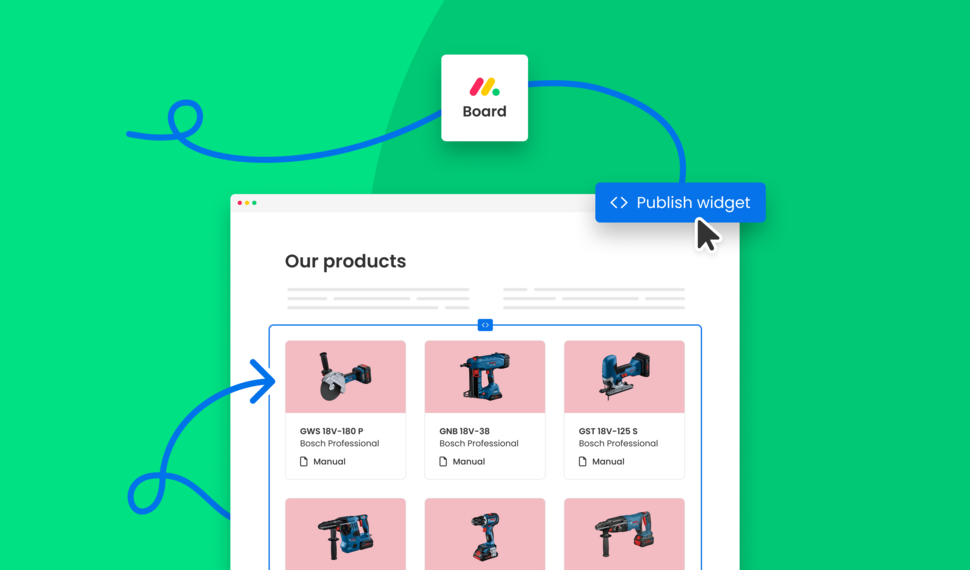
Are you looking for a way to create a digital product catalog from a monday.com board? In this guide, we'll explore how to create a product catalog that can be seamlessly embedded into a website.
What’s new on monday.com? Feature update in August 2024
Here’s a look at the features monday.com released in August 2024. This month’s updates improve date logic, form flexibility, invitation workflows, and integration permissions.
Semiannual feature recap from Gorilla Apps in June 2024

We introduced Dynamic Boards, easier automation setup, and faster board appending in Spreadsheet Gorilla, while laying the groundwork for our next monay.com app: Client Portal Builder.
How do I export and email Excel spreadsheets on monday.com?
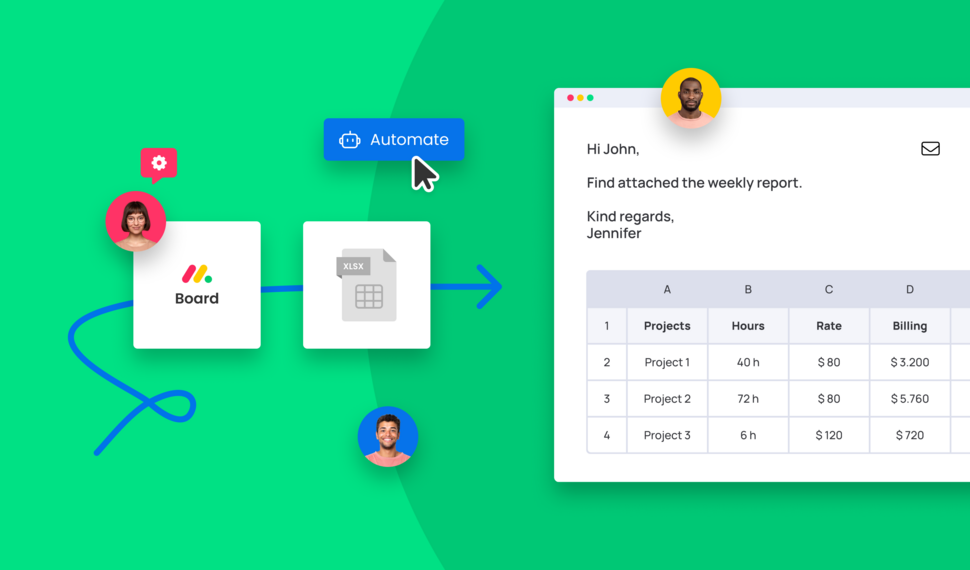
Are you looking for a way to send emails with attached Excel spreadsheets through monday.com automations? In this guide, we'll explore how to recurrently email Excel reports based on monday.com boards.
How do I make use of Spreadsheet Gorilla for monday.com?
Spreadsheet Gorilla is a powerful tool for everything spreadsheets on monday.com and beyond. In this guide we will explore all the apps' features like exporting to Excel, and how you can utilize them.
How do I embed a monday.com board on my own website?

Are you looking for ways to embed your monday.com boards directly into your website? In this guide, we'll explore all the options of embedding a monday.com board seamlessly into websites.
How do I remove the monday.com branding from Excel exports?

Are you looking for a solution to clean up Excel exports from monday.com? In this guide, we'll discover all options on how to remove the monday.com logo and the default formatting from Excel files.
What is monday.com and why is it so popular across many industries?
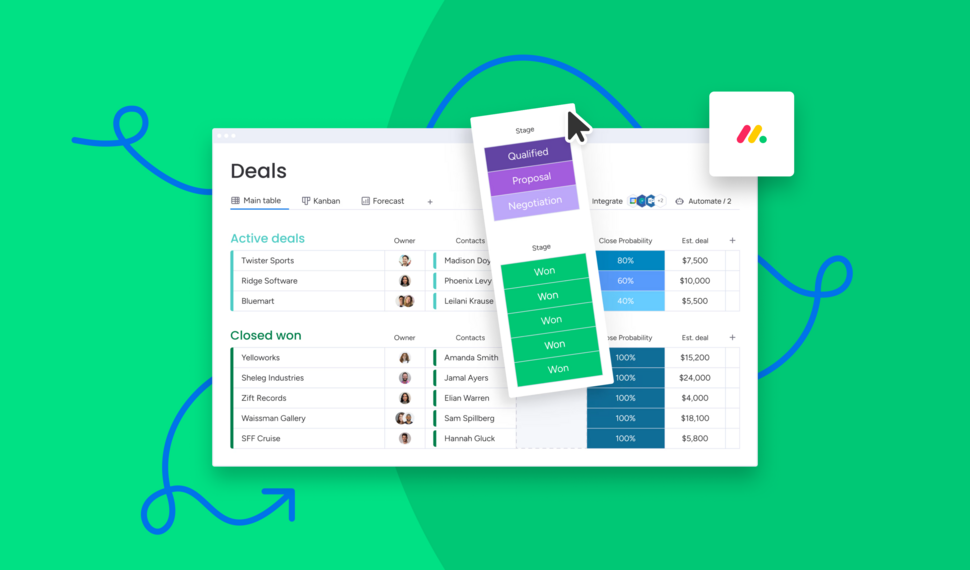
Are you looking for a comprehensive guide of why you should use monday.com for your business? In this guide we will quickly spotlight the key features of monday.com and why it's the most flexible business tool.
How do I use formulas across monday.com boards to update board columns?

Need formulas to calculate across multiple monday.com boards? Spreadsheet Gorilla lets you calculate values with spreadsheet Excel style formulas and update board columns from the result.
Interested in a product demo?
Let's learn about your requirements, answer questions, and
review ways how we can help you and your organization with
our monday.com apps and solutions.